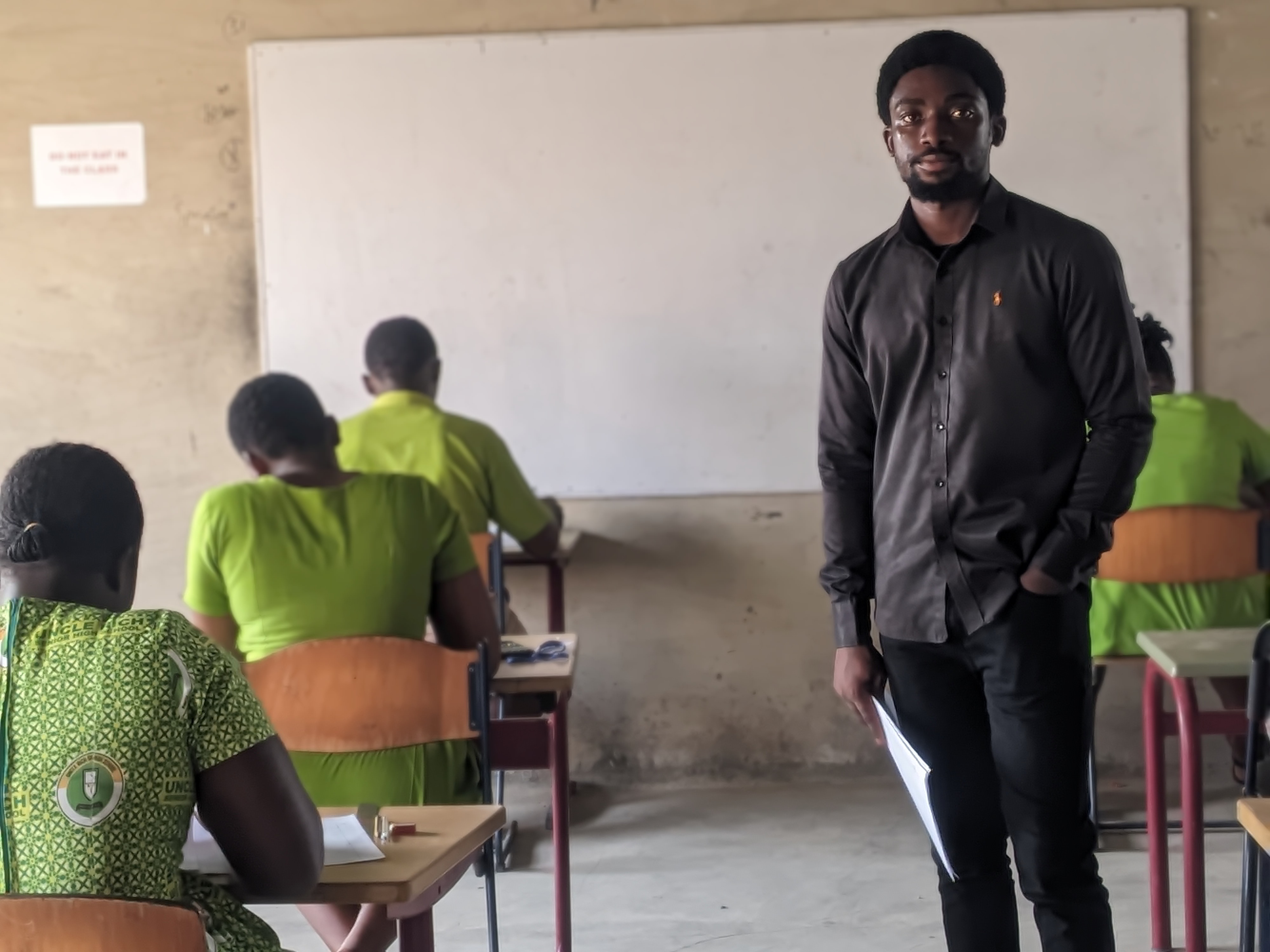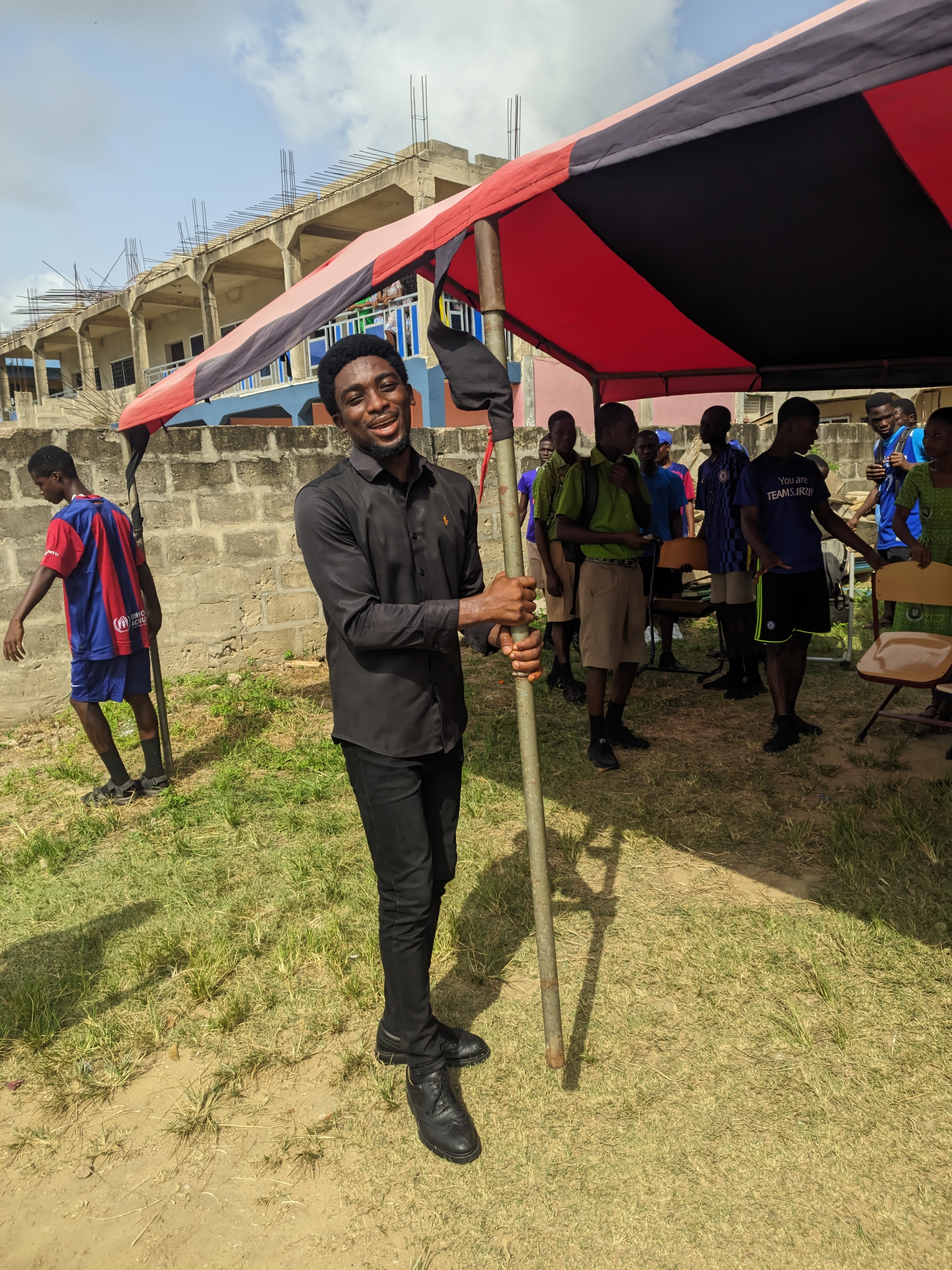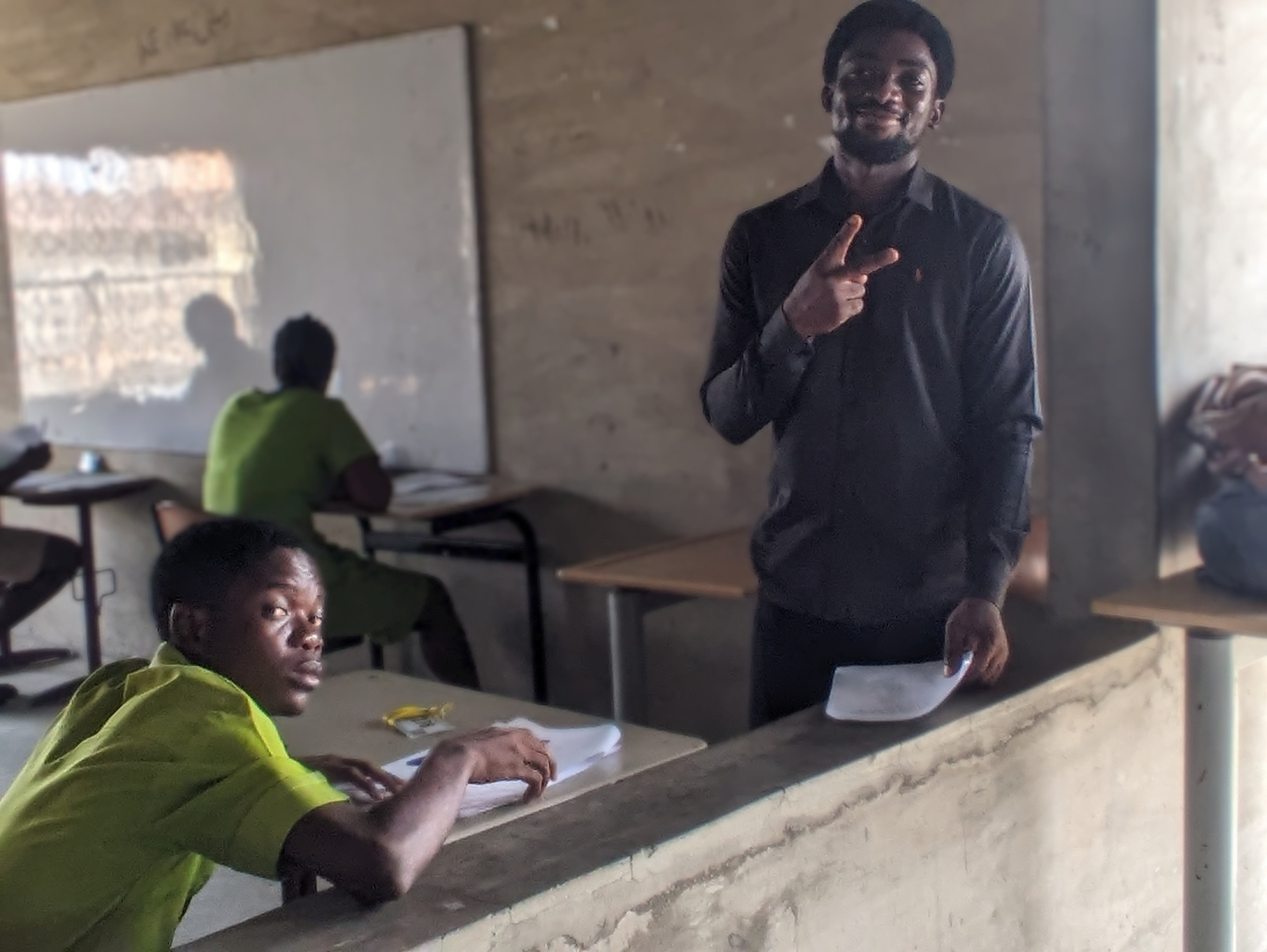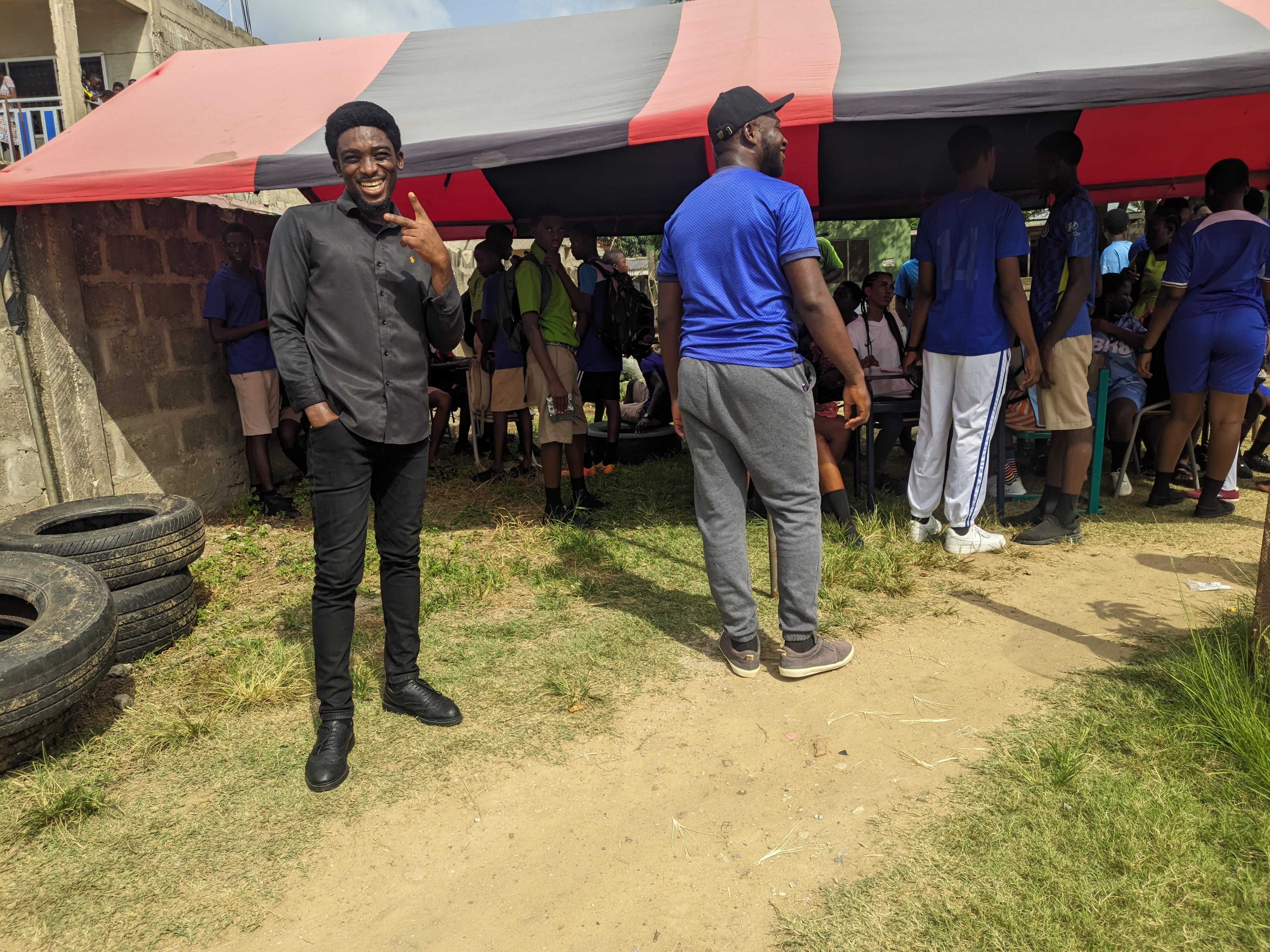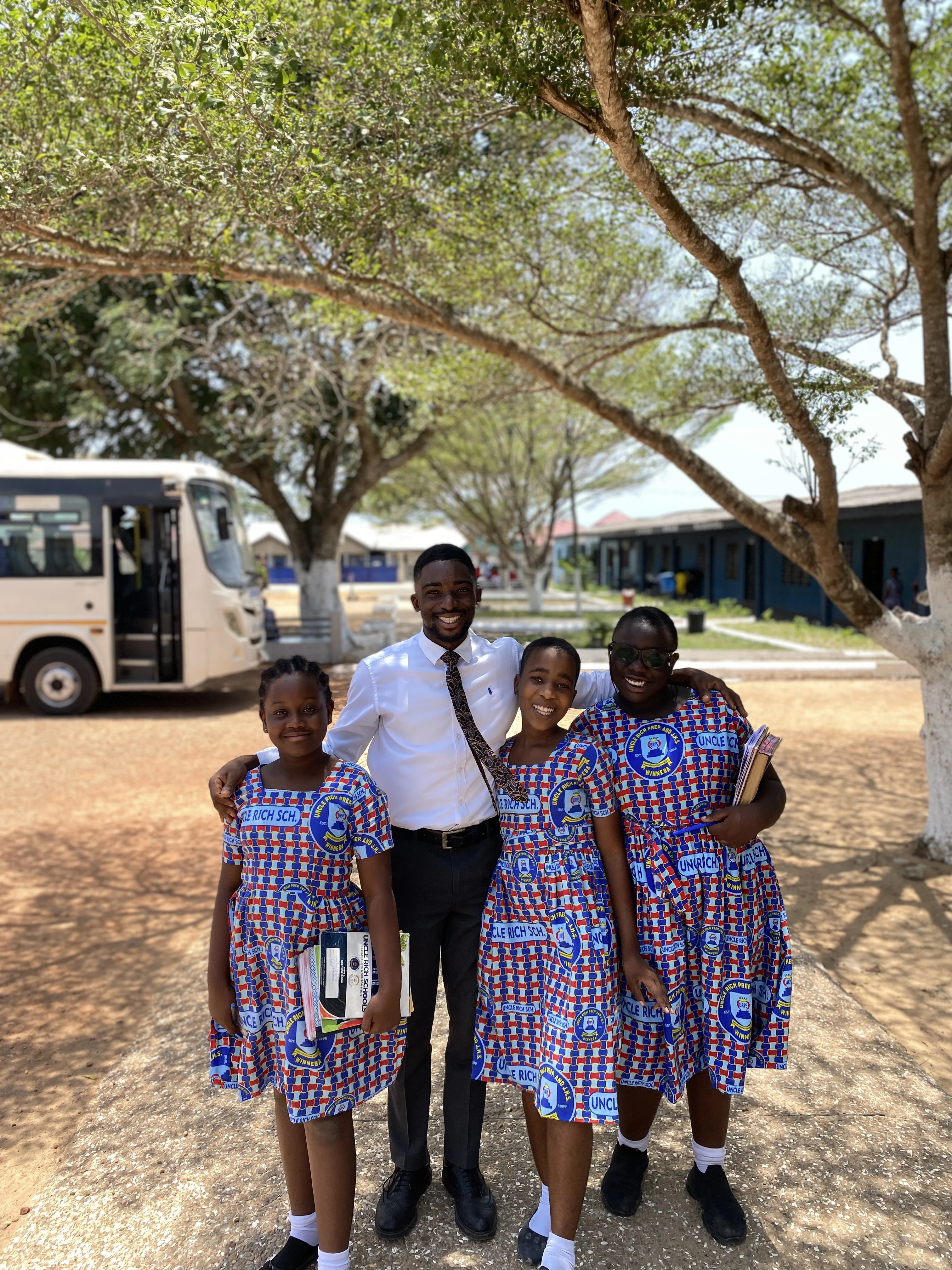

I am Amewuga Derek Endurance, a passionate and dedicated educator currently completing my final year in the Bachelor of Science in ICT Education program at the University of Education, Winneba. Send me a message

V33 O.G. BLANKSON ST, South Campus, Winneba

(+233) 256-770295

amewuga@amewuga.tech



I am Amewuga Derek Endurance, a passionate and dedicated educator currently completing my final year in the Bachelor of Science in ICT Education program at the University of Education, Winneba. Teaching, for me, is more than just imparting knowledge—it’s about inspiring curiosity, fostering creativity, and empowering students to reach their full potential. Through this portfolio, I aim to demonstrate my teaching philosophy, reflective practices, and the tools I use to create engaging and effective learning experiences.
Name: Amewuga Derek Endurance
Birthday: August 16, 2000
Languages: English, Ewe, Twi
Nationality: Ghanaian
Adress: Winneba, Central Region, GH
Phone: (+233) 256 77 0295
Email: amewuga@amewuga.tech
Developed professional skills through hands-on experiences, including time management and effective communication.
Improved internship experience by efficiently managing assigned tasks and meeting deadlines.
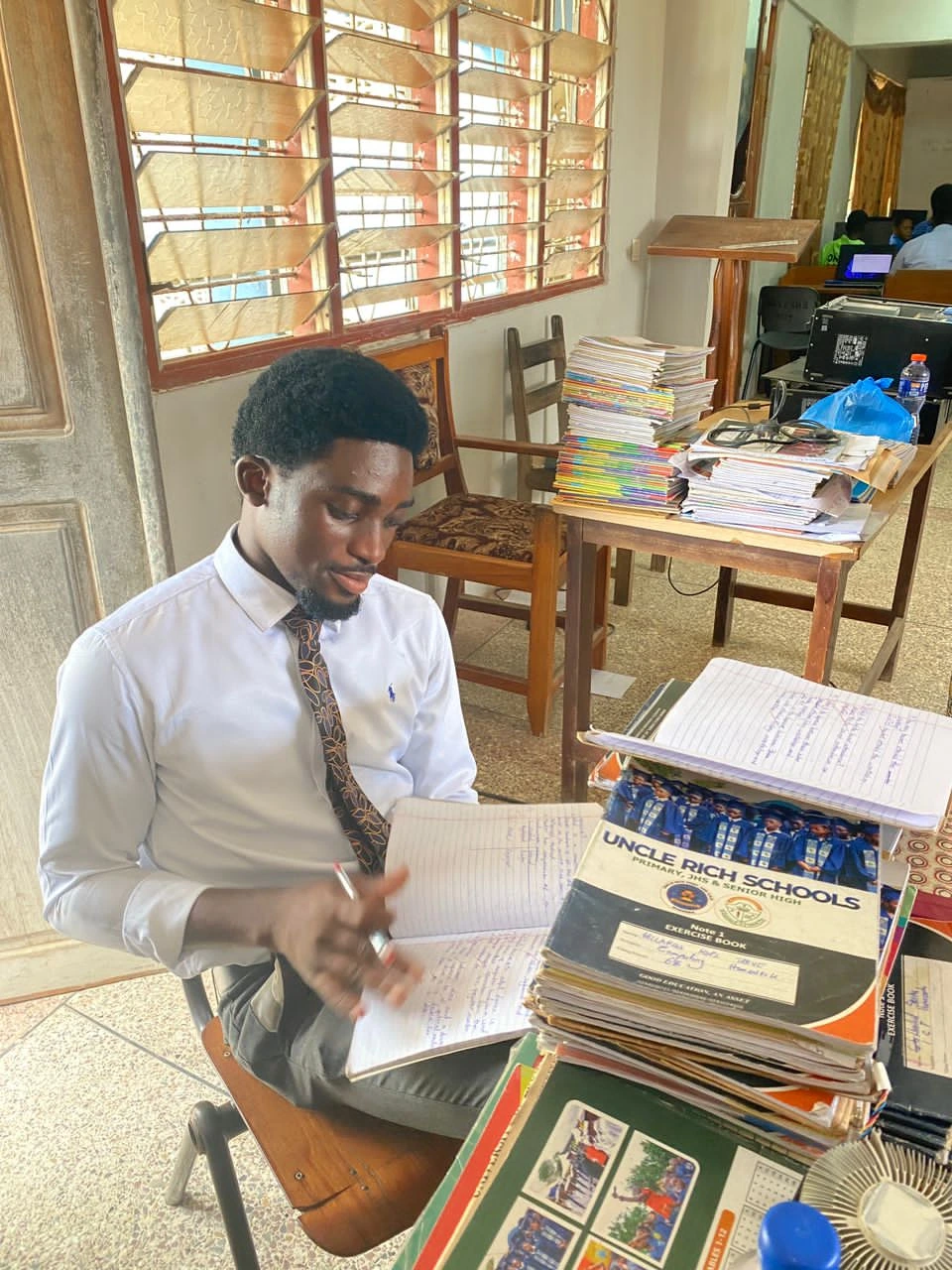
Sorted, organized, and maintained files.
Received positive feedback from supervisors, reflecting a strong commitment to personal growth and development throughout the internship program.
Gained practical experience in various aspects of the field, applying academic knowledge to real-world situations.
Reported back to instructor to receive day-to-day tasks and responsibilities.
Delivered high-quality work consistently, demonstrating strong work ethic and dedication to the internship program.
Gained exposure to various facets of the industry through job rotation opportunities that provided well-rounded experience within the internship program.
Aided my mentor in organizing events or meetings, showcasing excellent organizational skills beyond regular duties.
Provided individualized instruction in C++ and Python programming concepts.
Developed customized learning plans to address specific student needs and learning styles.
Fostered a supportive and engaging learning environment, promoting problem-solving skills.
Guided students through practical coding exercises and project development.
HEAD MASTER, UNCLE RICH SENIOR HIGH SCHOOL - WINNEBA
Contact: 0548294499
MENTOR, UNCLE RICH SCHOOLS - WINNEBA
Contact: 0552169273
Below is a summarized version of my teaching philosophy. For a detailed Statement, you can download the PDF version.
INTRODUCTION
Teaching, for me, is more than a profession. It is a calling to inspire and empower learners to discover their unique potential. Growing up, I viewed education as a societal obligation, a means to excel academically, and a pathway to meet expectations. Over time, however, I realized that true education transcends the confines of traditional schooling. It is not merely about meeting minimum standards or following a prescribed curriculum; rather, it is about nurturing curiosity, fostering resilience, and equipping learners with the skills and mindset to thrive in an ever-changing world. I believe that education should be a transformative experience, one that encourages learners to explore, question, and construct their own understanding of the world. My teaching philosophy is rooted in the belief that every learner has unique strengths and potential, and it is my role as an educator to create an environment where these can flourish.
MY PHILOSOPHY
A teaching philosophy is a reflection of one’s core beliefs about teaching and learning. For me, it is a commitment to creating a learner-centered environment that prioritizes the needs, interests, and abilities of each student. I believe that education should be a collaborative process, where the teacher acts as a facilitator, guiding students as they construct their own knowledge and develop critical thinking skills. This approach aligns with the principles of constructivism, which emphasizes the active role of learners in building their understanding through experiences and interactions. My teaching philosophy centers on creating a holistic, inclusive, and engaging learning experience that empowers students to develop essential skills, knowledge, and values. I believe that learning is most effective when it is experiential, collaborative, and tailored to individual needs. By fostering a growth mindset and encouraging curiosity, I aim to help students become lifelong learners who are confident, resilient, and capable of solving real-world problems.
VALIDITY
To support students in achieving their learning goals, a teacher must employ strategies that foster active participation and critical thinking. I agree with the constructivist view that learning should involve creating scenarios where students can interpret information based on their own understanding rather than passively receiving knowledge. I draw inspiration from John Dewey’s philosophy of pragmatism, which emphasizes the importance of experiential learning and real-world applications. Dewey believed that education should be rooted in practical experiences, enabling students to connect their learning to the world around them. Similarly, I strive to create lessons that are relevant, hands-on, and meaningful, allowing students to apply their knowledge in authentic contexts. Additionally, I align with Lev Vygotsky’s sociocultural theory, which highlights the role of social interaction and scaffolding in learning. I believe that students learn best when they are supported by knowledgeable others—whether teachers, peers, or mentors—who guide them through their zone of proximal development. By providing appropriate challenges and support, I help students reach their full potential.
APPLICATION
Experiential Learning: I design hands-on activities and real-world projects that allow students to explore concepts through practice and application. For example, in teaching programming, I incorporate coding exercises and problem-solving tasks that simulate real-world scenarios.
Collaborative Learning: I facilitate group discussions, peer reviews, and team projects to encourage collaboration and critical dialogue. By working together, students learn to appreciate diverse perspectives and develop teamwork skills.
Differentiated Instruction: I tailor my teaching methods to meet the unique needs of each student. For visual learners, I use diagrams, charts, and multimedia tools. For auditory learners, I incorporate discussions and audio resources. For kinesthetic learners, I provide hands-on activities and interactive tasks.
Technology Integration: I leverage technology to enhance learning, using tools such as PowerPoint presentations, educational software, and online resources to make lessons more engaging and accessible.
Formative Assessment: I use frequent, low-stakes assessments—such as pop quizzes, class discussions, and guided practice sessions—to monitor student progress and provide timely feedback. This helps me identify areas where students need additional support and adjust my teaching strategies accordingly.
EFFECTIVENESS OF MY TEACHING PHILOSOPHY
I believe my teaching philosophy is effective because it:
Fosters Curiosity and Critical Thinking: By encouraging exploration and inquiry, I help students develop a love for learning and the ability to think critically.
Promotes Collaboration and Teamwork: Through group activities and discussions, students learn to work together, share ideas, and solve problems collectively.
Builds Resilience and a Growth Mindset: By emphasizing that mistakes are opportunities for learning, I help students develop resilience and a positive attitude toward challenges.
Prepares Students for Real-World Applications: By connecting lessons to real-world contexts, I equip students with practical skills and knowledge that are relevant beyond the classroom.
CONCLUSION
In conclusion, my teaching philosophy is rooted in the belief that education should be a transformative and empowering experience. By creating a learner-centered environment that values curiosity, collaboration, and resilience, I aim to help students achieve their fullest potential. I am committed to continuous growth as an educator, always seeking new ways to inspire and support my students on their learning journey.
REFERENCES
Dewey, J. (1938). Experience and Education.
New York: Macmillan.
Vygotsky, L. S. (1978).
Mind in Society: The Development of Higher
Psychological Processes. Cambridge, MA: Harvard University Press.
Nickerson, C. (2024). John Dewey On Education:
Impact & Theory. Simply Psychology.
Melby, C. S. (1994).
Ghana Primary School Development. Accra:
Ghana Publishing House.
Below is my reflective practice.
LOCATION
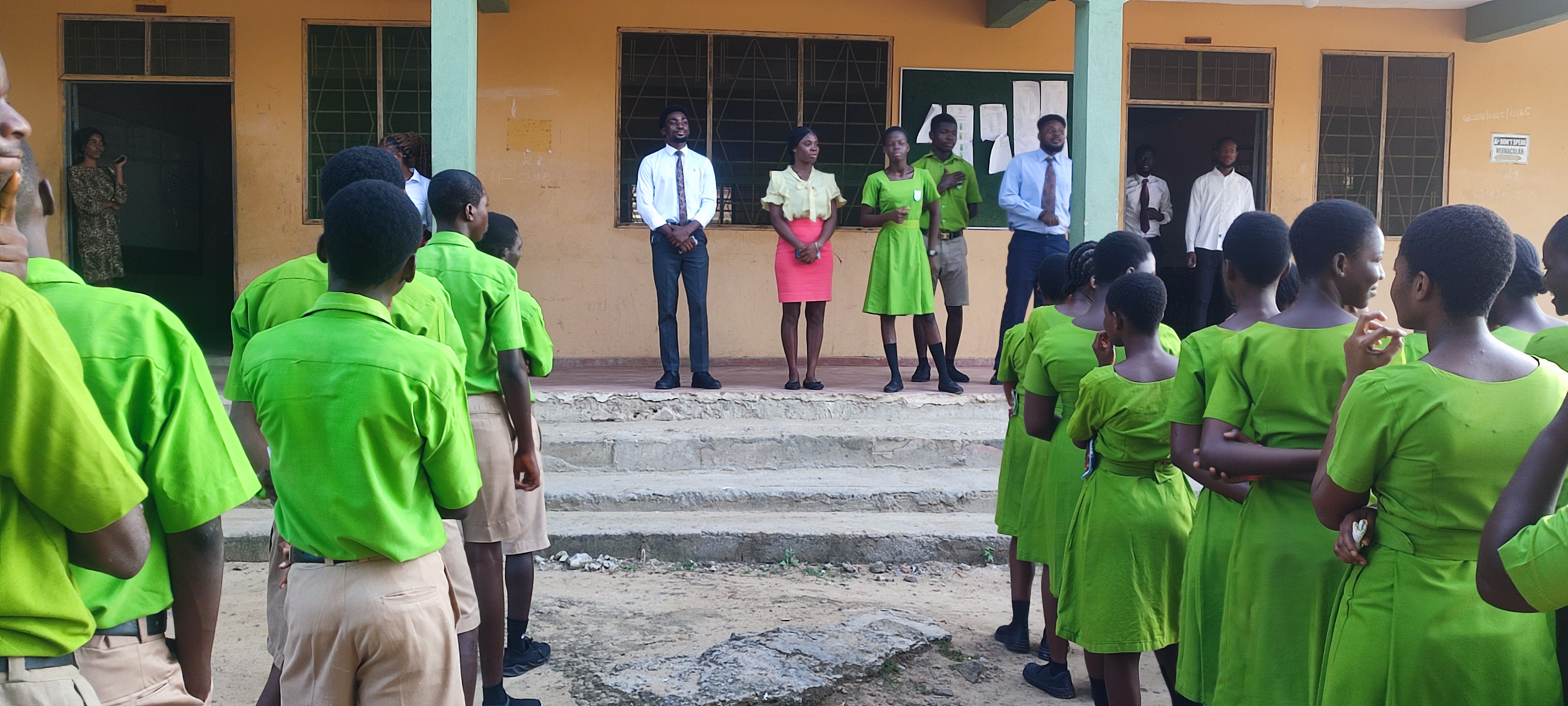
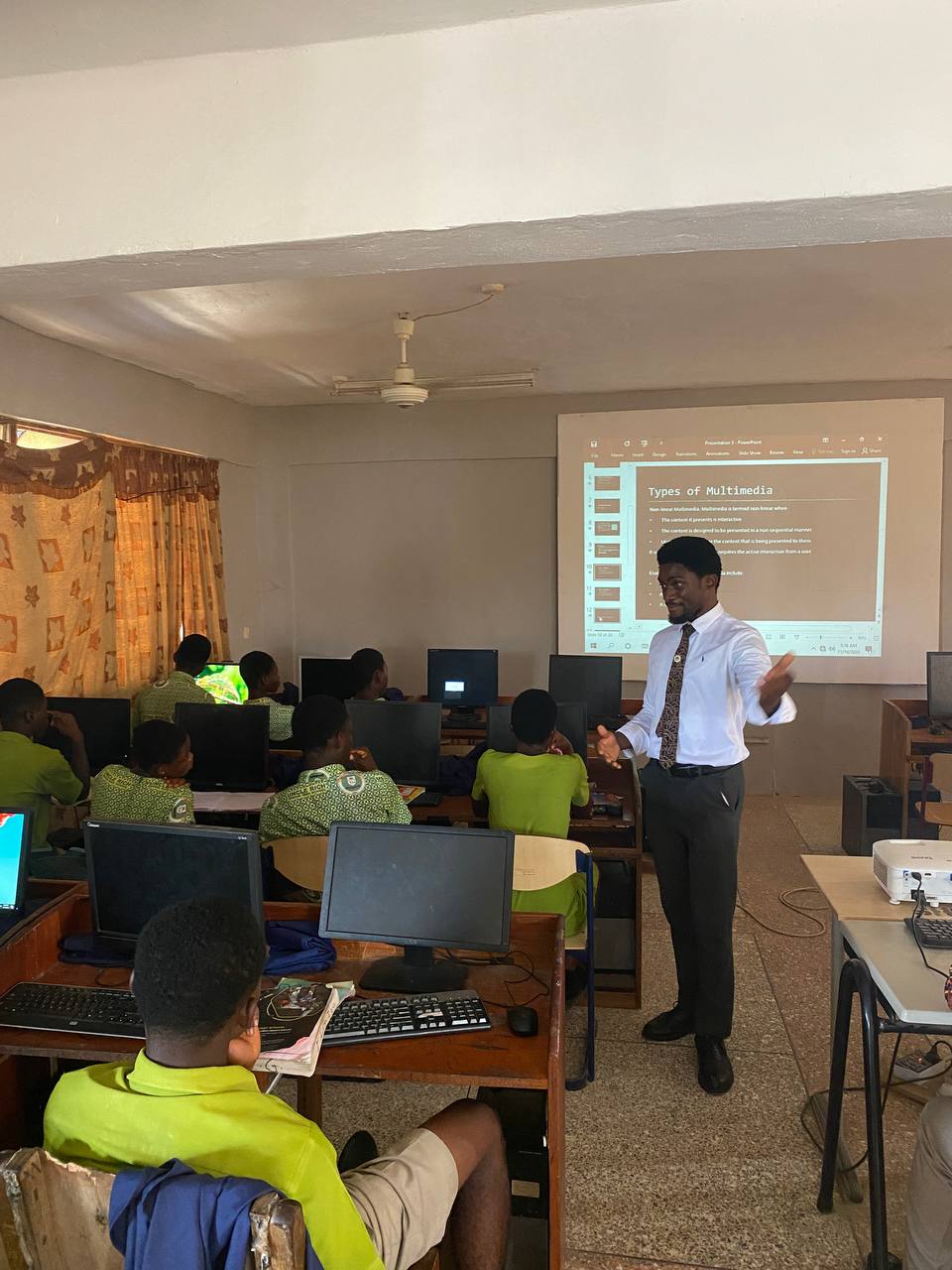
On January 30, 2025, I had the privilege of facilitating a lesson titled "Introduction to HTML" for SHS 2 learners at UNCLE RICH SCHOOLS, located in Winneba Town, Effutu Municipal in the Central Region of Ghana. The lesson was conducted in the ICT Main Lab with 15 students present, lasting 80 minutes. This lesson was a significant part of my assessment as an intern at UNCLE RICH SCHOOLS for my Off-Campus Teaching Practice, evaluated by my supervisor, Madam Esther Gyimah.
OBJECTIVES
By the end of the lesson, my objectives were for each learner to be able to:
1. State what the acronym HTML stands for.
2. Define/explain what HTML is.
3. Explain the basic structure of an HTML document.
4. Identify basic HTML elements (e.g., Head, Body, & Footer).
STEPS TAKEN
To achieve the stated objectives, I implemented the following techniques and strategies:
Learners were guided to recall their knowledge of document formatting in MS-WORD through a facilitator-led demonstration on how to make texts appear bold, italic, and underlined; how to align texts and add word arts; and how to insert pictures into an MS-WORD document, relating it to how contents are marked-up in web browsers.
Direct instruction was provided by the facilitator to explain somewhat abstract concepts like HTML elements.
Whole-class discussion was encouraged throughout the lesson delivery.
Guided practice was provided to familiarize learners with the syntax of HTML.
Question and Answer sessions were used as both a formative and summative learning strategy.
OUTCOME OF THE LESSON
Learners demonstrated an understanding of the concept of Introduction to HTML, with most being able to explain the concept.
Most learners were able to identify HTML elements and state their use.
Some learners were able to state and explain the basic structure of an HTML document.
LEARNERS CONTRIBUTION
After the direct instruction session, learners were given the opportunity to discuss the basic structure of an HTML document. They engaged in class group discussions, which enabled them to generate their own knowledge and ideas about the concept of HTML. Most learners successfully related their knowledge of formatting documents in MS-WORD to the concept of Hypertext Markup Language. Additionally, learners confidently and flawlessly answered questions posed to them.
FACILITATOR'S REACTIONS TO LEARNERS' CONTRIBUTIONS
For learners who demonstrated exceptional intellectual abilities, I encouraged and tasked them to support their colleagues, assigning them as leads to class groups. Overall, I expressed my appreciation to the learners for their active participation and the display of intellectual capabilities during the lesson.
STRENGTHS
A retrospective look at the lesson revealed the following contributions to its success.
1. Relating the concept to the practical situation of formatting documents with MS-WORD helped learners to appreciate the lesson.
2. multiple teaching and learning techniques addressed different learning styles.
3. Appropriate Questioning and Answering sessions were evenly distributed.
AREAS FOR IMPROVEMENT
Upon reviewing the lesson, I identified the following areas for future improvement:
1. Exaggeration of facts.
2. Limited time for summarization and conclusion.
3. Class control measures.
INSIGHTS & APPLICATION
The lesson effectively highlighted the fundamental concepts of HTML and its role in web development. Learners gained a solid understanding of the HTML acronym and its meaning, which is crucial for creating web pages. They also grasped the basic structure of an HTML document, including the Head, Body, and Footer elements. This understanding allows learners to recognize the building blocks of web pages and the importance of these elements in conveying information to users. Consequently, it is anticipated that learners will apply their knowledge of HTML fundamentals to create simple web pages and comprehend HTML's role in web development.
CONCLUSION
The successful delivery of this lesson reinforces my belief that learners are capable of constructing their own knowledge when given appropriate guidance and support. By fostering a collaborative learning environment, students interacted and co-constructed their understanding of the topic, ultimately achieving the lesson's objectives. This experience underscores the importance of balancing student autonomy with targeted facilitation to promote deep learning and understanding.
More Info
Comment: 1
Amewuga Derek has good mastery over subject matter,
He also appears to be very audible and links R.P.K
lesson introduction while maintaining an ordred
lesson presentation to build momentum
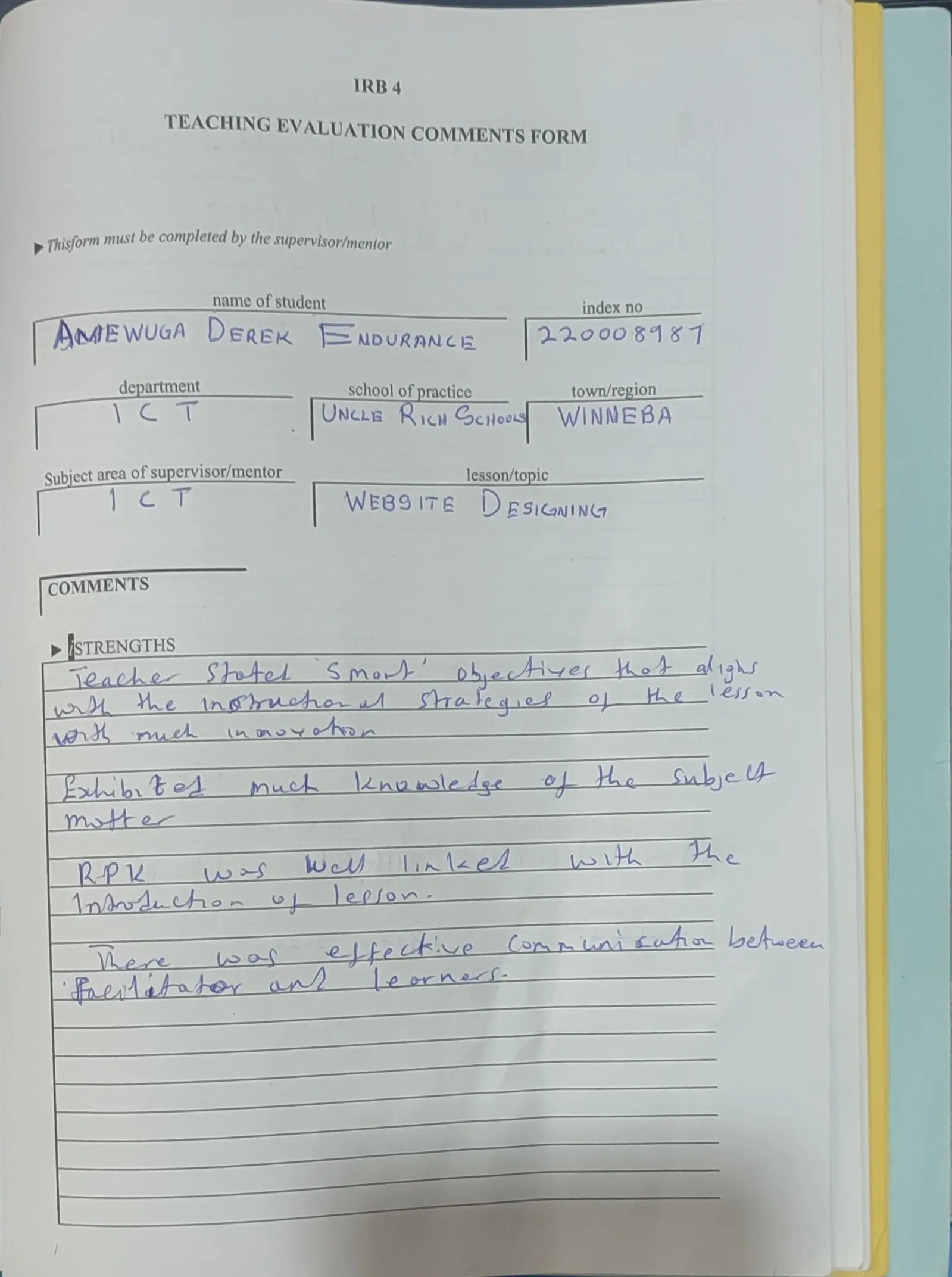
Comment: 2
Amewuga Derek stated smart objectives that aligns
with the instructional strategies of the lesson with
much innovation. He exhibited much knowledge of the
subject matter and properly linked relevant previous
knowledge with the introduction of the lesson. He
ensured effective communication between himself and
learners.
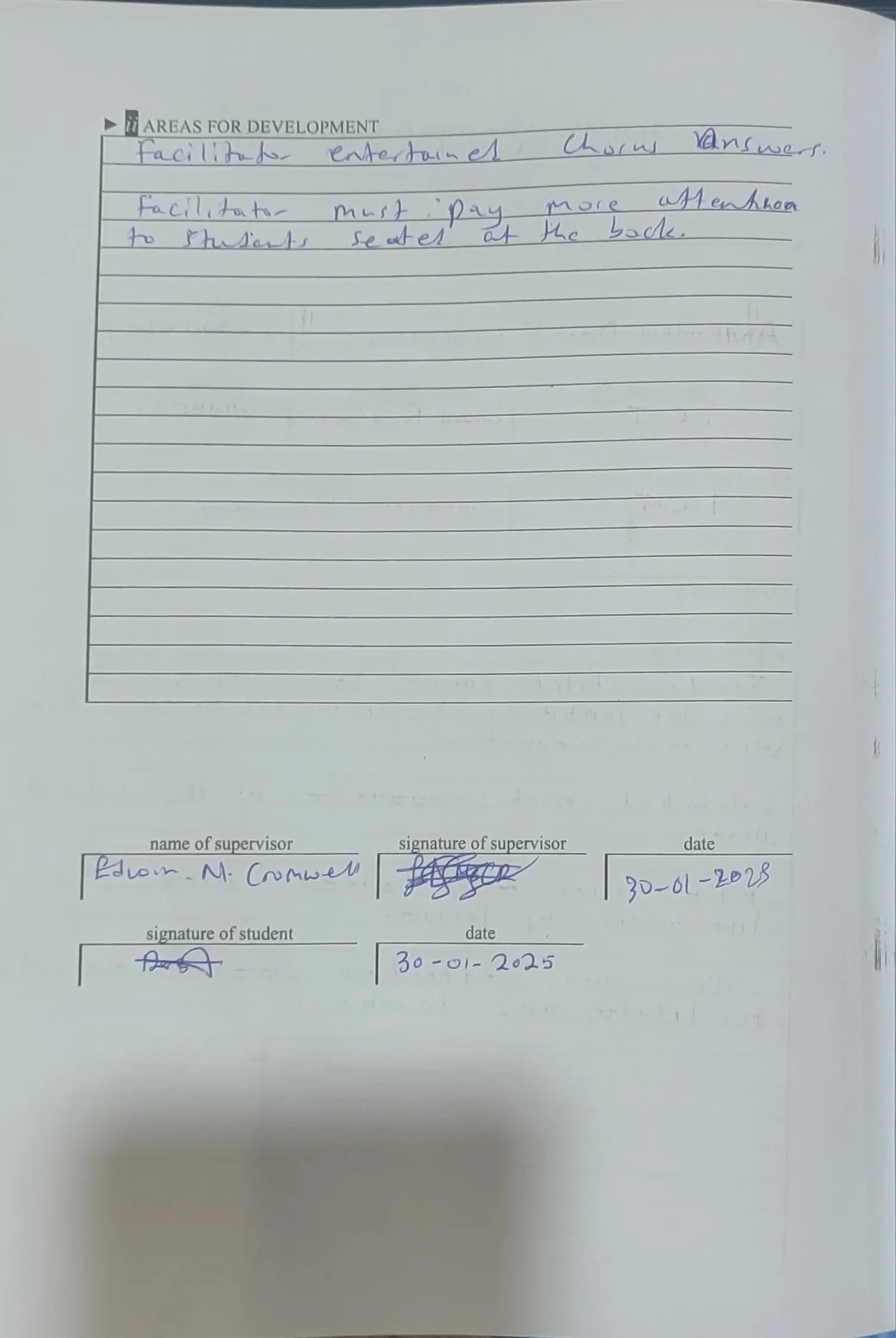
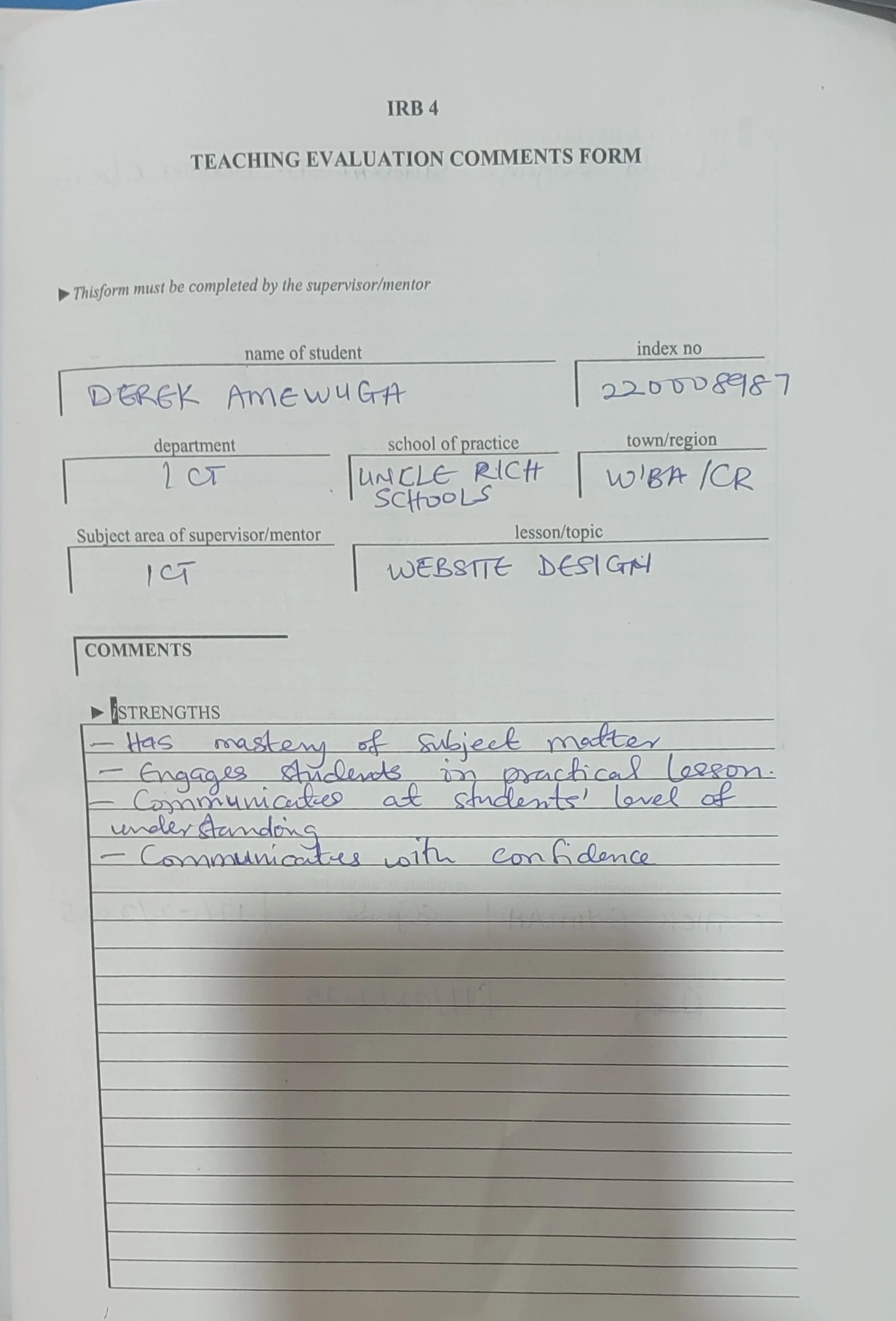
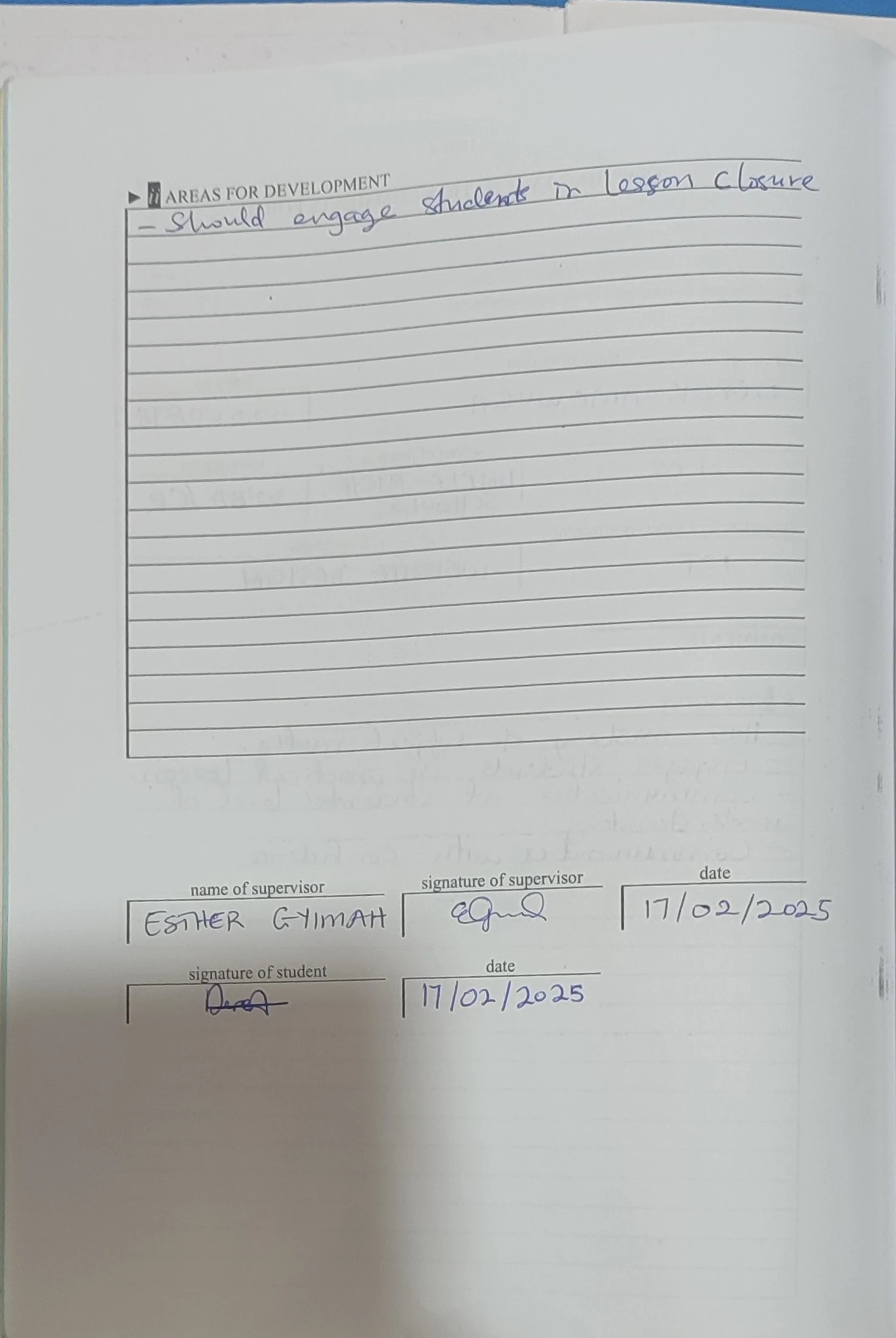
Comment
Amewuga Derek Endurance demonstrates mastery of the
subject matter, he is able to meet learners at their
level and engage learners in practical lesson
sessions. He communicates with confidence an overall
demonstrates good class control.